

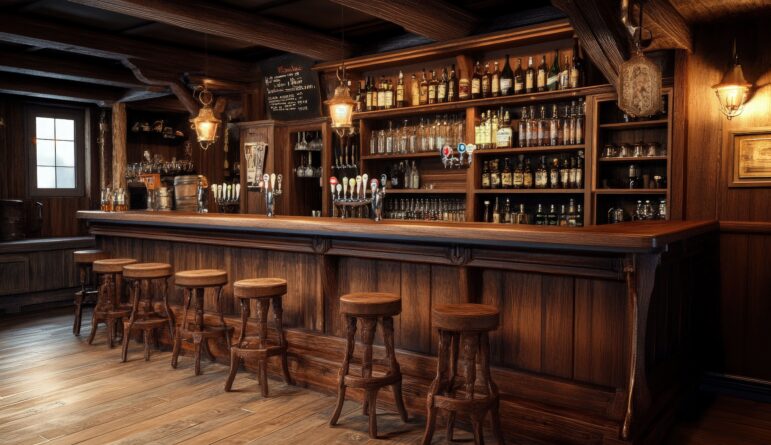
There are still places in Arizona where the past feels close enough to touch. Where the air smells faintly of leather and dust, where the clink of a saloon door echoes like a heartbeat, and where wild burros wander streets that once belonged to miners and cowhands. These small moments bring the Old West to life more vividly than any movie ever could.
In the 1880s, the saloon was more than a watering hole. It was the town’s heartbeat. Miners struck deals at the bar, ranchers swapped stories over whiskey, and travelers found both comfort and trouble within its walls.
Many of Arizona’s historic saloons still stand today. In Tombstone, Big Nose Kate’s Saloon invites guests to sit where outlaws and lawmen once drank side by side. The wooden floors creak, the piano still plays, and the laughter feels timeless. In Prescott, The Palace on Whiskey Row claims to be Arizona’s oldest frontier saloon. It was rebuilt after a devastating fire in 1900, and its polished bar still shines beneath antique chandeliers.
These aren’t theme parks. They’re living artifacts. Step through their doors and you can almost hear the stories of those who built the state from the ground up.
Arizona’s historic towns were designed for dust and horses. Wooden boardwalks lifted townsfolk above the mud during monsoon season and became a defining feature of Western architecture. Walking them today connects you directly to that past.
In Tombstone, the sidewalks stretch along Allen Street, lined with storefronts that look nearly as they did 140 years ago. The sound of boots against wood, the jingle of spurs, and the rhythmic swing of saloon doors all create an illusion that the 19th century never left. In Wickenburg and Jerome, restored storefronts maintain that same rustic rhythm, offering visitors the experience of strolling through time.
No symbol of Arizona’s Old West charm is more endearing than the burros of Oatman. Descendants of pack animals once used by miners, these gentle creatures now roam the streets freely. They greet visitors with curious noses and soft brays, often poking their heads into shops for treats.
Oatman itself, located along old Route 66, feels like a movie set come to life. Its wooden buildings, narrow streets, and playful burros give it an atmosphere that’s equal parts history and whimsy. Watching the animals wander past the faded facades reminds travelers that the Old West was never just about gunfights. It was about survival, companionship, and the bonds between humans and animals.
What makes these experiences powerful isn’t nostalgia. It’s authenticity. Arizona hasn’t frozen its history behind glass. It allows it to breathe. You can order a drink where cowboys once stood, walk the same creaky boards they crossed, and meet the descendants of the animals that carried their burdens.
Every saloon, boardwalk, and burro tells part of Arizona’s story. Together they capture a state that values its past without losing sight of the present. Visitors don’t just learn history here. They live it, one step, one sip, and one soft bray at a time.


