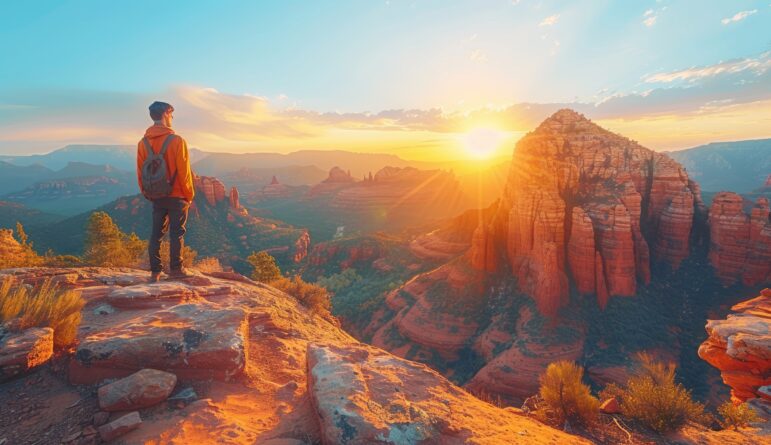
Arizona is much bigger and more varied than many first-time visitors expect. You can begin the day surrounded by saguaros in the Sonoran Desert and end it among pine trees in the mountains. Depending on your route, you can explore red-rock canyons, historic mining towns, luxury resorts, national parks, lakes, vineyards, golf courses, and some of the best Mexican food in the Southwest.
The difficult part is not finding something to do. It is deciding which version of Arizona you want to experience.
This guide introduces ten Arizona destinations worth building a trip around. Use it as your starting point, then explore our city guides, restaurant recommendations, attractions, road trips, and local travel tips as you plan your visit.
Scottsdale combines desert scenery with resorts, golf, restaurants, art galleries, shopping, spas, and a busy nightlife district. It is one of the easiest places to use as a base for an Arizona vacation because visitors can enjoy the desert without giving up comfortable hotels and excellent dining.
Old Town Scottsdale is the center of much of the activity. The area includes restaurants, bars, galleries, boutiques, museums, public art, and Western architecture, all within a relatively compact district. North Scottsdale has a quieter resort atmosphere, access to desert trails, and many of the area’s golf communities.
Scottsdale is a good fit for couples, golf trips, spa weekends, food-focused vacations, bachelor and bachelorette groups, and travelers who want a polished introduction to Arizona.
Explore next: Scottsdale restaurants, Old Town nightlife, Scottsdale resorts, golf courses and weekend itineraries.
Sedona is known for its massive red-rock formations, scenic drives, hiking trails, galleries, wellness retreats, and unmistakable landscape. Even travelers who do not plan to hike can enjoy the scenery from overlooks, restaurants, shops, and roads throughout the area.
Popular destinations include Cathedral Rock, Bell Rock, Oak Creek Canyon and the shops and galleries around Uptown Sedona. Trailheads and parking areas can become crowded, particularly during weekends and peak travel seasons, so planning ahead is worthwhile.
Sedona works well as a two- or three-night destination, but it can also be visited on a long day trip from the Phoenix area. Staying overnight gives you more time to explore before the roads and trails become busy.
Explore next: Sedona hiking, restaurants with views, scenic drives, hotels and nearby Verde Valley wineries.
No Arizona travel guide would be complete without the Grand Canyon. Photographs show its scale, but they do not prepare you for what it feels like to stand at the rim and see the canyon stretching across the horizon.
The South Rim is open throughout the year and is the most practical choice for many first-time visitors. Travelers can explore overlooks, walk portions of the Rim Trail, visit the historic village, use the park shuttle system or drive toward Desert View.
Do not make the mistake of treating the Grand Canyon as a quick photo stop. Even if you are not hiking below the rim, allow enough time to visit several viewpoints and see how the canyon changes with the light and weather.
Conditions, road access and services can change, so check the National Park Service visitor information before traveling.
Explore next: Grand Canyon itineraries, South Rim lodging, scenic viewpoints and stops between Flagstaff and the park.
Flagstaff offers a completely different side of Arizona. The city sits among ponderosa pines and experiences four distinct seasons, including winter snow. Its historic downtown has independent restaurants, breweries, coffee shops, boutiques and easy access to outdoor recreation.
Flagstaff is also a useful base for exploring the Grand Canyon, Sunset Crater, Walnut Canyon, Route 66 and other northern Arizona destinations. During the summer, many Phoenix-area residents head north to escape the desert heat. In winter, visitors come for snow sports and a mountain-town atmosphere.
Because Flagstaff is at a much higher elevation than Phoenix or Scottsdale, temperatures can be significantly cooler. Pack for Flagstaff rather than assuming the weather will feel like the desert.
Explore next: Downtown Flagstaff dining, Route 66 stops, day trips and seasonal activities.
Tucson has a character that feels different from the Phoenix area. The city is surrounded by mountains and deeply connected to the Sonoran Desert, Mexican-American culture and generations of regional food traditions.
Saguaro National Park is divided into eastern and western districts on opposite sides of the city. Visitors can drive scenic routes, hike desert trails and see large concentrations of the giant cactus most people associate with Arizona.
Tucson is also an excellent destination for travelers who plan their trips around food. Its restaurants range from long-established neighborhood favorites and Sonoran-style Mexican food to creative contemporary dining.
Explore next: Tucson food, Saguaro National Park, historic neighborhoods, museums and nearby day trips.
Page is the gateway to several of northern Arizona’s most recognizable landscapes. Horseshoe Bend, Lake Powell and the slot canyons near Page make the area a natural addition to a Grand Canyon or southern Utah road trip.
Many slot-canyon experiences are located on Navajo Nation land and require an authorized guided tour. Reservations are often necessary, and visitors should confirm current access requirements before arriving.
Lake Powell adds another dimension to the trip. Depending on water conditions and the season, visitors may find boating, kayaking, fishing, scenic overlooks and shoreline recreation.
Page is relatively remote, so check driving distances carefully. Arizona destinations that look close on a map can still be several hours apart.
Explore next: Page itineraries, guided tours, Lake Powell activities and places to eat.
Prescott mixes Arizona history with a lively downtown, mountain scenery and a cooler climate. Courthouse Plaza forms the center of town, with shops, restaurants and historic buildings surrounding the square. Nearby Whiskey Row reflects the city’s frontier history but now includes restaurants, bars and entertainment.
Outdoor recreation is also close to downtown. Watson Lake is especially recognizable for the granite formations surrounding its blue water.
Prescott is a good choice for a relaxed weekend, particularly for Phoenix and Scottsdale residents looking for a short road trip and a noticeable change in temperature and scenery.
Explore next: Prescott restaurants, Whiskey Row, Watson Lake and weekend getaways.
Bisbee began as a mining town and has developed into one of Arizona’s most distinctive small destinations. Its steep streets, historic buildings, galleries, unusual shops and independent restaurants give it a personality unlike the state’s larger cities.
The compact historic district is best explored on foot, although the hills and staircases can provide more exercise than visitors expect. Mining history remains a major part of Bisbee’s identity, but the town also attracts artists, history enthusiasts and travelers looking for someplace unconventional.
Bisbee can be paired with Tombstone, Kartchner Caverns or the Sonoita wine region as part of a southern Arizona road trip.
Explore next: Bisbee hotels, historic attractions, restaurants and southern Arizona road trips.
Jerome is built into the side of Cleopatra Hill above the Verde Valley. Once a mining community, it is now known for historic buildings, galleries, shops, restaurants and broad views across the valley.
The town makes an easy addition to a Sedona trip, but it is worth allowing time to explore rather than simply driving through. The surrounding Verde Valley also includes Cottonwood, Clarkdale, wineries, tasting rooms, historic sites and access to outdoor recreation.
A Sedona, Cottonwood and Jerome itinerary gives visitors three very different experiences without requiring days of driving.
Explore next: Jerome history, Cottonwood dining, Verde Valley wineries and Sedona day trips.
Travelers sometimes overlook eastern Arizona, but the White Mountains offer forests, lakes, hiking, fishing, camping and a cooler summer climate. Communities such as Pinetop-Lakeside, Show Low and Greer serve as starting points for exploring the region.
This part of Arizona is especially appealing to families, anglers, campers and visitors who prefer cabins and mountain roads to large resorts and crowded attractions. Fall colors and winter recreation create reasons to visit beyond the summer season.
The White Mountains are not a quick detour from Phoenix, so the region works best as its own trip rather than a rushed day visit.
Explore next: Cabin stays, mountain lakes, family activities, restaurants and scenic drives.
The right season depends on where you are going.
Phoenix, Scottsdale and much of southern Arizona are most comfortable from fall through spring. Northern Arizona, the White Mountains and other higher-elevation destinations become especially popular during summer. Winter can bring snow and difficult driving conditions to Flagstaff, the Grand Canyon and mountain communities.
Arizona’s summer monsoon season can bring sudden storms, lightning, heavy rain, blowing dust and flash-flood danger. Never enter a wash or slot canyon when storms are possible nearby, even if the sky directly above you appears clear.
Before leaving, check current weather, road conditions, park notices and reservation requirements for each destination.
A first-time visitor can comfortably combine two or three major areas in a week. Trying to cover the entire state usually means spending too much of the trip in the car.
Some practical combinations include:
For a short trip, choose one home base and explore the surrounding area. For a longer vacation, build a road trip around two or three regions.
Explore Dine Play is being built as a practical guide to traveling through Arizona. We will show you where to go, where to stay, what to eat and which attractions are genuinely worth adding to your plans.
Start by choosing a destination, then explore our local guides for restaurants, hotels, outdoor activities, family attractions, nightlife, golf, shopping and road-trip ideas.
Arizona is not one type of vacation. It can be a resort weekend, a mountain escape, a national park trip, a food tour or a drive through towns you did not know existed. Choose where you want to begin, and build the trip from there.