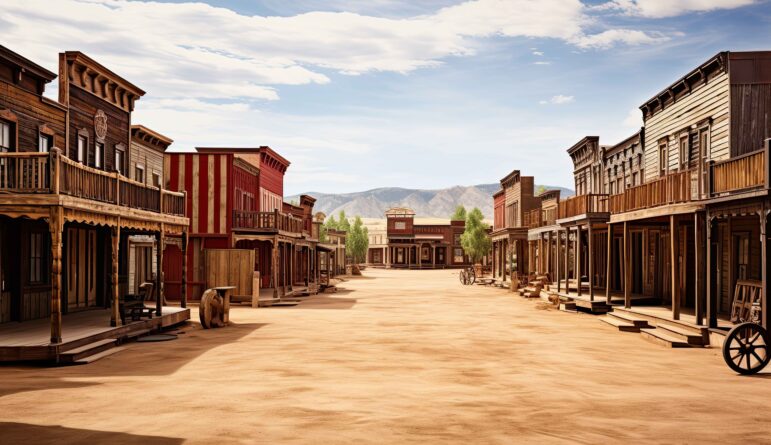
Arizona’s frontier was never for the faint of heart. In the late 1800s, the desert was a vast and unpredictable place where miners, ranchers, and drifters came chasing fortune. Law often lagged behind ambition, and justice could be as hot-tempered as the noon sun. To understand the Old West, you have to step into a world where sheriffs carried tin stars that meant both authority and risk.
When Arizona was still a territory, towns appeared almost overnight. Silver and gold lured thousands, but civilization took time to catch up. With no established courts or police, order depended on the courage of a few. Sheriffs and marshals worked under constant pressure, facing outlaws who had nothing to lose.
In places like Tombstone, Bisbee, and Prescott, justice was often personal. Disputes over land, cattle, or mining claims could end in the street rather than the courthouse. A man’s reputation carried as much weight as the law itself.
Few figures define Arizona’s frontier law like Wyatt Earp and his brothers. The infamous Gunfight at the O.K. Corral in Tombstone remains one of history’s most dramatic clashes between lawmen and outlaws. But beyond the fame, the Earps represented a larger truth. The frontier demanded courage, judgment, and sometimes brutal decisiveness.
There were others, too, who fought to impose order on chaos. Sheriff John Slaughter of Cochise County, known for his iron discipline, was both feared and respected. He helped transition the region from rough mining camps to functioning communities. Their stories remind us that law on the frontier wasn’t about perfection. It was about survival.
Mining towns presented unique challenges. With men living in cramped quarters and tempers fueled by whiskey, violence was common. Many miners carried weapons as naturally as they carried tools. Territorial courts struggled to maintain authority when communication and transport were limited.
Some towns took matters into their own hands. Vigilante groups formed to protect property and settle disputes quickly, though not always fairly. What emerged was a rough version of justice imperfect, fast, and deeply human.
As settlements matured, women played a crucial role in bringing stability. They opened schools, churches, and businesses that replaced saloons and gambling halls. Their presence shifted the tone of frontier life, creating spaces where law could take root.
In Tombstone, for example, Clara Brown, one of the first teachers in town, helped shape a sense of order through education. The influence of civility was slow but powerful, turning boomtowns into towns with structure and pride.
Visitors to Arizona can still feel this legacy today. The courthouses in Tombstone and Prescott stand as symbols of justice hard-won. Museums like the Arizona History Museum in Tucson and the Desert Caballeros Museum in Wickenburg preserve stories of bravery, corruption, and reform.
The Old West wasn’t lawless forever. Over time, structure replaced survival, and Arizona evolved from a wild frontier into a proud state built on resilience and independence.
Frontier justice was rough and often flawed, but it forged the foundation for modern Arizona. The sheriffs, settlers, and citizens who lived by their own code left behind more than stories. They left a reminder that freedom comes with responsibility and that true justice takes courage, patience, and balance.
To walk through the old streets of Tombstone or Prescott is to stand where law and chaos once met face to face. It’s a reminder that the frontier didn’t just shape the land, it shaped the people who refused to be tamed by it.