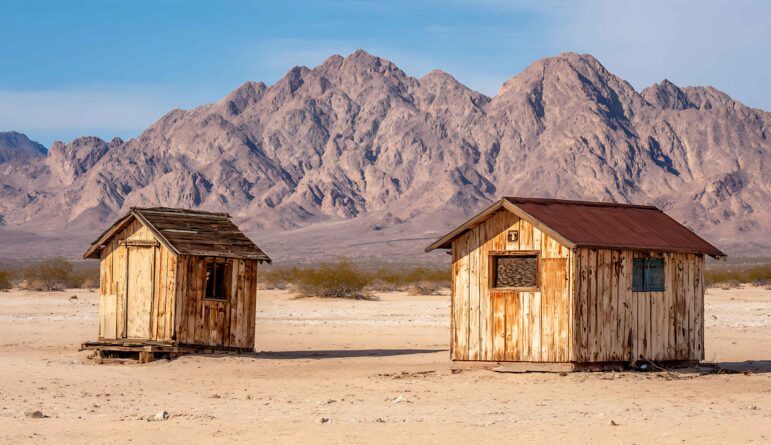
Arizona’s deserts and mountains are dotted with places that once pulsed with life. Towns that rang with the sound of hammers, hooves, and hope now stand silent under the sun. These ghost towns are reminders of how quickly fortunes rise and fall in the desert. For travelers, they offer a rare window into the past, where the dust still whispers stories of ambition, grit, and loss.
In the late 1800s, Arizona’s hills promised wealth to anyone brave enough to dig for it. Gold, silver, and copper lured thousands of prospectors westward. Boomtowns appeared almost overnight. Some flourished for decades. Others faded before the paint on their saloon doors had dried.
Jerome, Bisbee, and Globe became centers of copper mining that helped fuel America’s industrial growth. But for every success story, there were dozens of towns like Swansea, Fairbank, and Ruby that simply vanished when the ore ran out or prices crashed.
Life in a mining town was never easy. Supplies were scarce, water was precious, and the work was dangerous. Yet for those who struck it rich, the rewards were enormous. Saloons and dance halls filled the nights with music. Merchants thrived. Miners dreamed of building something lasting.
Then the boom ended. The mines closed, families moved away, and the desert reclaimed what it could. Wooden storefronts warped in the sun, roofs collapsed, and whole communities disappeared almost as quickly as they had arrived.
Today, many of these places remain suspended between ruin and remembrance. Ruby, near the Mexican border, is one of Arizona’s best-preserved ghost towns. Visitors can walk among schoolhouses, stores, and homes that have stood empty since the 1940s. The silence feels almost sacred.
Fairbank, near Tombstone, still shows traces of the railroad era that once connected the frontier to the wider world. At Vulture City, outside Wickenburg, guided tours bring the old gold camp back to life with stories of hardship and perseverance. Each site carries its own rhythm, shaped by the landscape and the people who once called it home.
Ghost towns invite curiosity, but they also demand care. Many are fragile, protected as historic landmarks. Visitors should tread lightly, avoiding trespassing or collecting artifacts. What makes these places powerful is not what you take away, but what you experience standing still among their remains.
Bring water, sturdy shoes, and a sense of wonder. The best time to visit is early morning or late afternoon, when the light softens and the old buildings glow with golden color. It’s easy to imagine the clatter of wagons and the hum of conversation carried on the wind.
Arizona’s ghost towns remind us that progress always leaves shadows behind. These settlements tell of ambition, community, and the cost of chasing dreams. They show how humans shape the land and how the land eventually reclaims its own.
To wander through them is to touch the edges of time. The desert does not forget; it simply waits. For travelers, that patience is the real treasure, a quiet invitation to listen, reflect, and remember.