Arizona is a photographer’s dream. The light, the texture, and the silence of its wide-open spaces invite you to slow down and see. The state’s Old West towns and ghostly ruins are more than relics. They’re stories told through weathered wood, faded paint, and the endless backdrop of desert sky. Capturing their spirit through a lens means more than snapping a picture. It means understanding the land that shaped them.
The Arizona sun can be harsh by midday, but at sunrise and sunset, it turns the landscape into a masterpiece. Warm light pours across old saloons and mine shafts, revealing every crack and nail. Early morning in Tombstone or Jerome feels timeless. Long shadows stretch across wooden sidewalks, and the glow of first light catches the dust floating in the air.
For photographers, these golden hours are sacred. The low sun softens the hard edges of the desert, creating depth and emotion. Bring a tripod for stability and patience for the perfect moment. The best images come when the light feels alive.
Arizona’s abandoned towns are filled with striking shapes and textures. Tilted doorframes, rusted wheels, and crumbling adobe walls create natural compositions. In places like Ruby, Vulture City, and Fairbank, every corner holds a story.
Focus on contrasts, sunlight and shadow, decay and endurance, silence and memory. A close-up of a rusted lock or a shot through a broken window can say more than a wide landscape. These details carry the emotion of time passing, the quiet persistence of history refusing to fade.
The faces of reenactors, cowboys, and craftspeople give Arizona’s history a pulse. During events like Gold Rush Days in Wickenburg or Helldorado Days in Tombstone, photographers find endless opportunities for portraits that blend authenticity with artistry.
Ask permission before photographing individuals in costume, especially when they’re performing. Engage with them, learn their stories, and capture the expression that reveals who they are. A single portrait can hold the essence of the Old West better than any staged tableau.
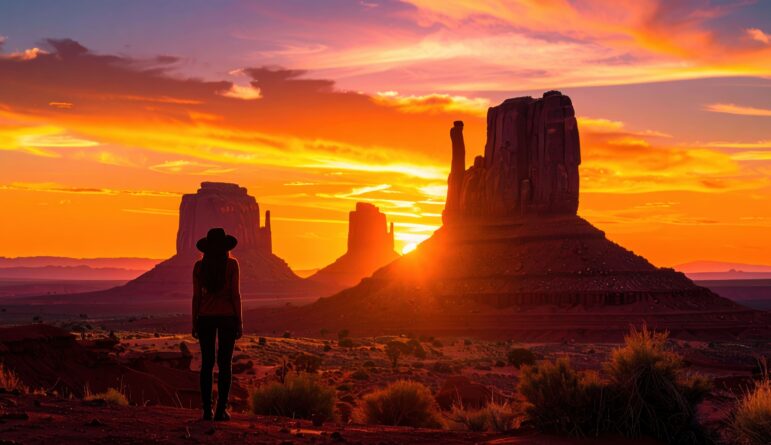
Beyond the towns, the land itself tells the story of Arizona’s frontier. Rolling desert, red cliffs, and distant mountain silhouettes create natural drama. Wide shots work well here, but don’t be afraid to frame the human element, a rider on horseback, a windmill, or an old wagon against the sky.
At Vulture Peak, the view from the trail’s summit looks almost unchanged since the gold rush days. In the Verde Valley, the interplay of light and stone can turn a single mesa into a thousand colors. The challenge is to find angles that reveal both scale and intimacy.
Arizona’s historic sites are fragile. Many ghost towns sit on private land or protected property. Always follow posted rules and avoid climbing or disturbing structures. The best photographers know that patience and respect yield more meaningful images than trespass or haste.
Consider carrying a small notebook to record locations and impressions. Photography is as much about memory as it is about composition.
Every photograph from Arizona’s Old West tells part of a larger narrative. The cracked walls of a saloon, the shimmer of heat on a dirt road, the glint of sunlight on old glass, together they form a visual language of endurance.
To photograph the West is to honor it. The camera becomes a bridge between past and present, turning a fleeting moment into something lasting. In Arizona, where light never stays still and history hides in every shadow, that’s all any artist can hope to do.